Noah Lang · 2 September 2026
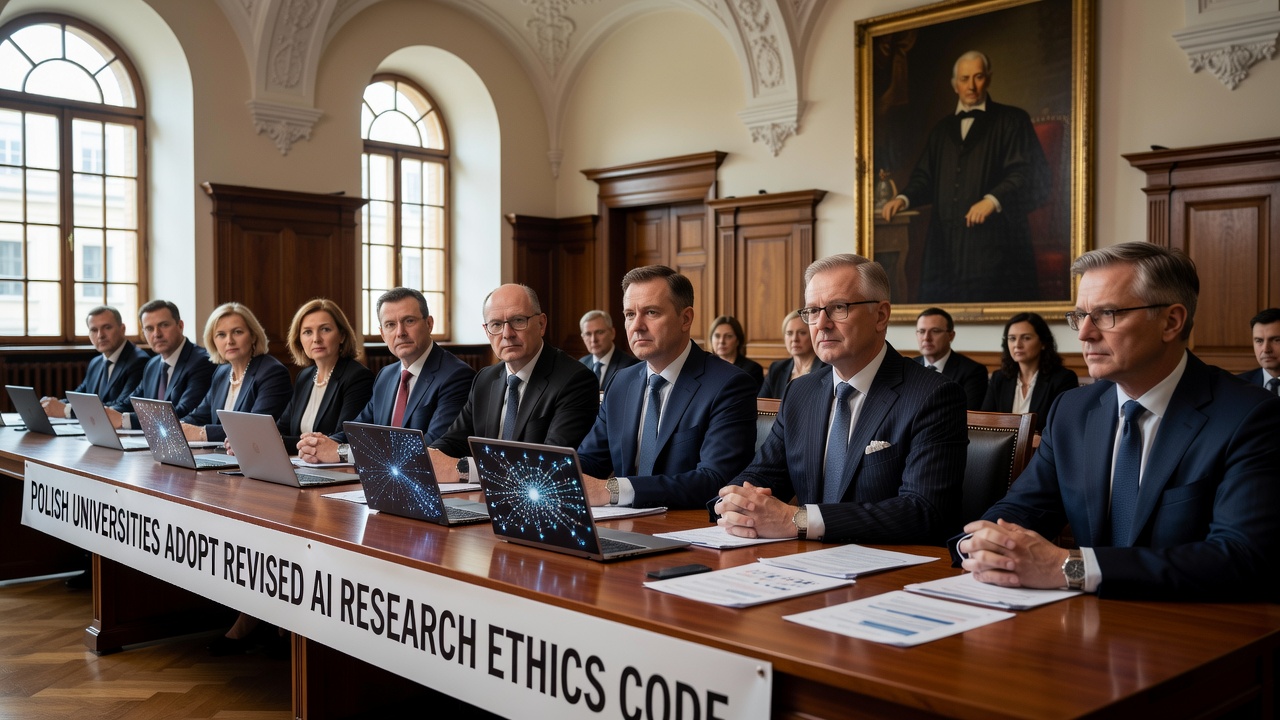
Several leading Polish universities have collectively adopted a revised code of ethics for artificial intelligence research. The new guidelines aim to address emerging challenges in data privacy, algorithmic bias, and responsible innovation in academic settings.
Background and Development
The revision process involved input from ethicists, computer scientists, and legal experts across institutions including the University of Warsaw and the Jagiellonian University in Krakow. Previous versions of the code, established in 2019, were deemed insufficient in light of rapid advancements in generative AI technologies. The updated framework emphasizes transparency in AI model training and mandates regular audits for potential discriminatory outcomes.
University representatives highlighted the importance of aligning Polish research practices with European Union regulations such as the AI Act. The code now requires researchers to obtain explicit consent for using personal data in machine learning projects and to disclose any funding sources that might influence study results.
Impact on Academic Community
Implementation of the revised ethics code is expected to foster greater collaboration between Polish universities and international partners. It also introduces mandatory training programs for graduate students engaged in AI-related theses. Critics argue that the guidelines may slow down research timelines, but proponents stress the long-term benefits for public trust in scientific endeavors.
Further provisions address the environmental impact of large-scale computing required for AI experiments, encouraging the use of energy-efficient algorithms. Polish institutions plan to share best practices through a new online repository accessible to all member universities. This initiative marks a significant step toward standardizing ethical considerations in the rapidly evolving field of artificial intelligence.
Discussions leading to the adoption took place over several months, culminating in a signing ceremony held virtually last week. All major public universities in Poland have committed to the new standards, with private institutions encouraged to follow suit.
The code also covers issues related to intellectual property rights arising from AI-generated content. Researchers must now clearly attribute contributions from AI tools in their publications. This measure seeks to prevent disputes over authorship and ensure fair recognition of human and machine inputs alike.
Monitoring committees will be established at each participating university to oversee compliance. Violations could result in funding restrictions or publication bans, depending on severity. The collaborative effort underscores Poland's commitment to ethical AI development amid global technological competition.