Zoe Weber · 11 September 2026
Gdansk Ecosystem Research Triggers Nationwide Push for Climate-Centered Degree Programs
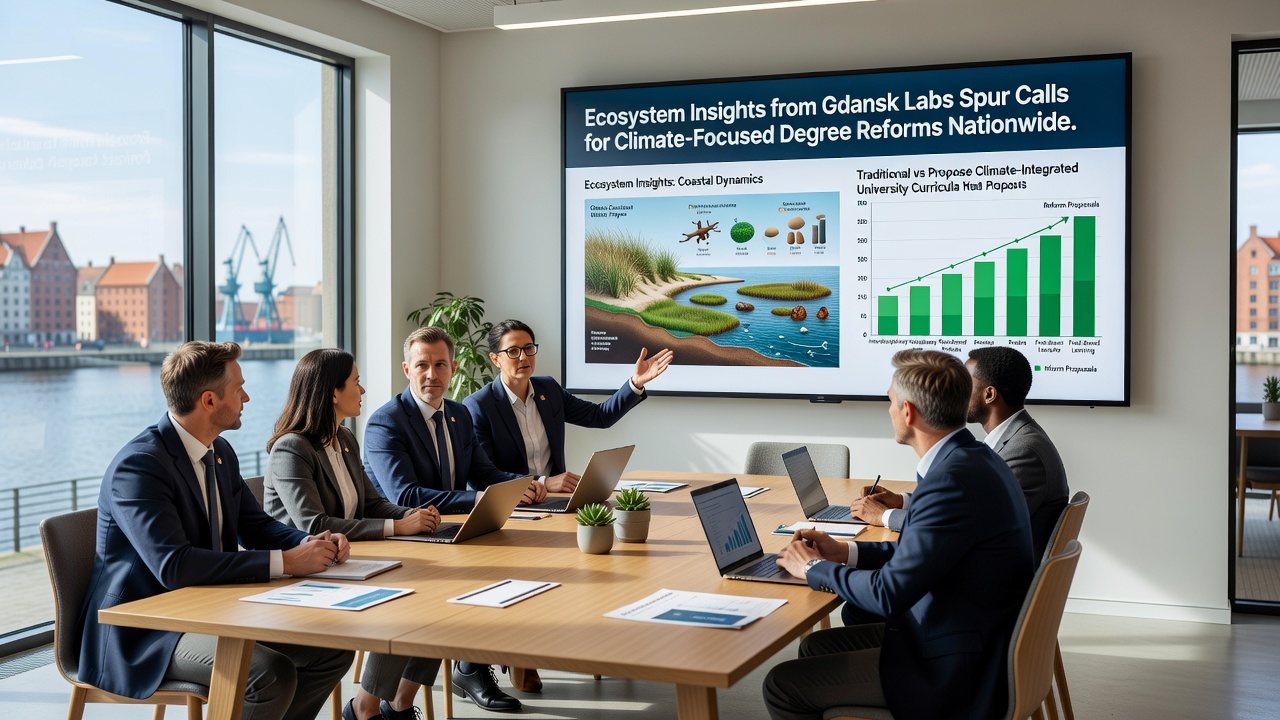
Findings from laboratories in Gdansk have highlighted shifts in local Baltic ecosystems and these observations now fuel discussions about integrating climate studies into university curricula across Poland. Data collected over multiple seasons shows changes in water temperatures, species distribution, and nutrient cycles that researchers link directly to broader environmental patterns, and institutions nationwide have begun reviewing how existing degree structures address these realities.
Key Insights from Gdansk Laboratory Work
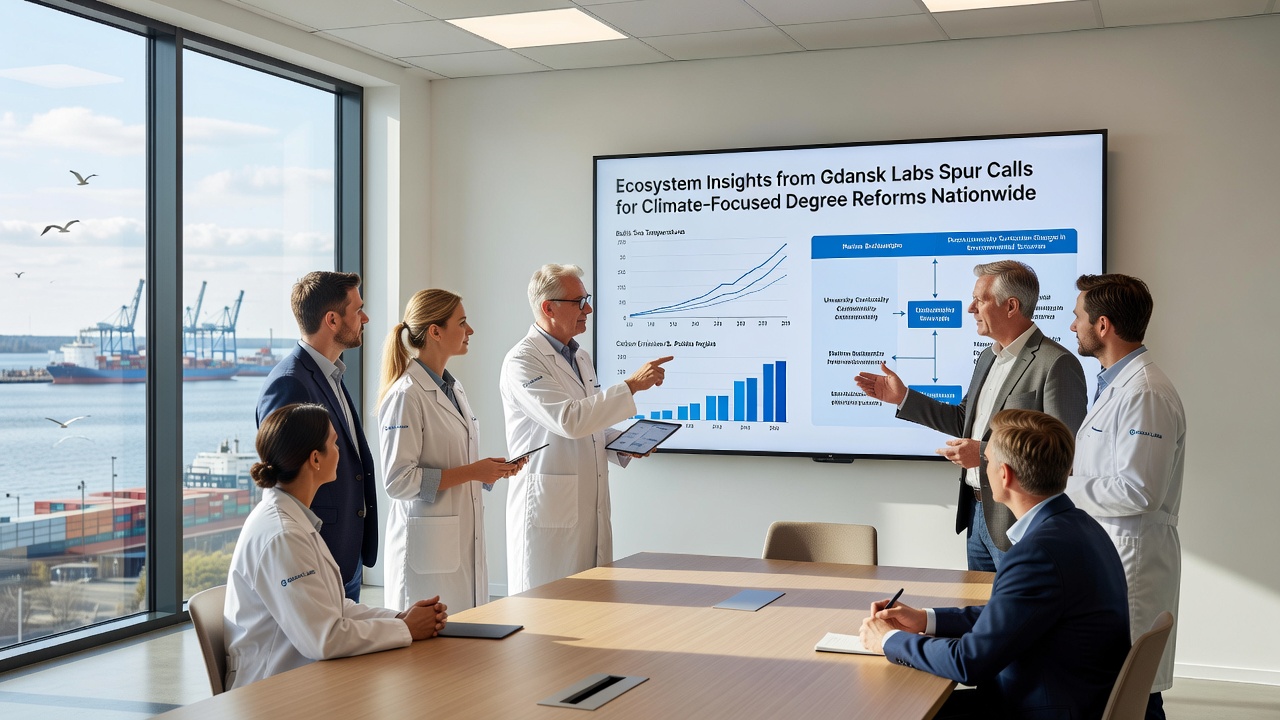
Teams at the Gdansk facilities documented rising average sea surface temperatures alongside declines in certain fish populations and increases in invasive algae species, while sediment core analysis revealed accelerated nutrient runoff patterns that coincide with agricultural and urban development timelines. These measurements, gathered through continuous monitoring stations and seasonal sampling campaigns, provide concrete indicators that educators now reference when proposing curriculum adjustments.
One study tracked phytoplankton blooms across three consecutive years and found extended bloom durations that correlate with altered precipitation cycles, and the resulting reports emphasize the need for students in biology, environmental engineering, and policy programs to gain hands-on experience with similar data sets. Observers note that such localized evidence supplies tangible examples for classroom use, allowing future graduates to connect theoretical models with observable regional impacts.
Responses from Academic Institutions
University departments in Warsaw, Krakow, and Wroclaw have formed working groups to evaluate current course offerings, and several have already submitted proposals to add mandatory climate modules to undergraduate and graduate programs in natural sciences and social sciences alike. Faculty members cite the Gdansk findings as one factor driving these reviews, pointing to gaps in existing training that leave graduates unprepared for roles requiring climate risk assessment and ecosystem management skills.
Meetings scheduled for September 2026 will bring together representatives from multiple universities and government agencies to discuss standardized learning outcomes, and preliminary agendas include sessions on incorporating real-time monitoring techniques into laboratory courses. Those involved expect the sessions to produce draft frameworks that individual institutions can adapt based on their specific program needs.
Broader Context and Supporting Data
National statistics compiled by the Polish Ministry of Education and Science indicate that fewer than fifteen percent of environmental science degrees currently require dedicated coursework on climate adaptation strategies, and analysts have compared these figures with enrollment trends in neighboring countries. Reports from the European Environment Agency show similar patterns across the region, suggesting that coordinated updates could align Polish programs with emerging European standards.
Researchers at other facilities have contributed complementary datasets, including soil carbon measurements from inland sites and atmospheric deposition records that together paint a fuller picture of interconnected systems. These combined resources strengthen arguments for interdisciplinary approaches that move beyond single-department electives toward integrated degree pathways.
Potential Implementation Pathways
Proposals under consideration range from adding climate-focused tracks within existing majors to creating entirely new bachelor and master programs centered on ecosystem resilience. Pilot initiatives at two Gdansk-area universities already allow students to complete field placements at the laboratories, and early participant feedback highlights improved understanding of how raw monitoring data translates into policy recommendations.
Funding discussions involve both national grants and partnerships with international research networks, while timelines point toward initial rollout of revised curricula by the 2027 academic year. Administrators stress that any changes will maintain core disciplinary requirements yet embed climate literacy as a foundational element rather than an optional add-on.
Conclusion
The Gdansk laboratory findings continue to circulate through academic and policy circles, and they serve as a catalyst for examining how higher education prepares students for environmental challenges. As institutions move forward with curriculum reviews and September 2026 planning sessions, the emphasis remains on aligning degree requirements with documented ecosystem dynamics and regional data trends.