Blake Carter · 24 October 2026
Baltic Ecosystem Insights Prompt Expanded Resources for Polish Marine Biology Programs
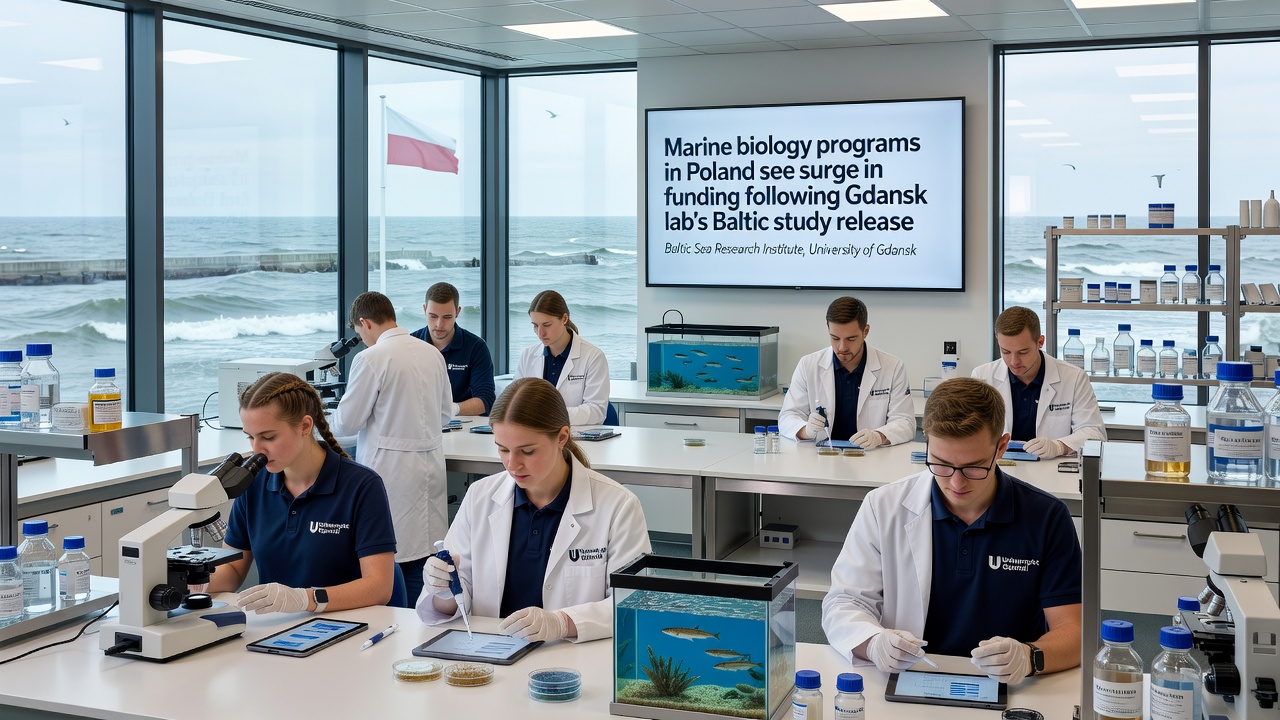
Researchers at the Gdansk laboratory released findings in early 2026 that detailed shifts in Baltic Sea biodiversity, nutrient cycles, and species distribution patterns, and those results have coincided with increased allocations to marine biology training across several Polish institutions. The study examined water column samples collected over three years along with sediment cores and fish population surveys, then compared outcomes against historical records dating back to the 1990s.
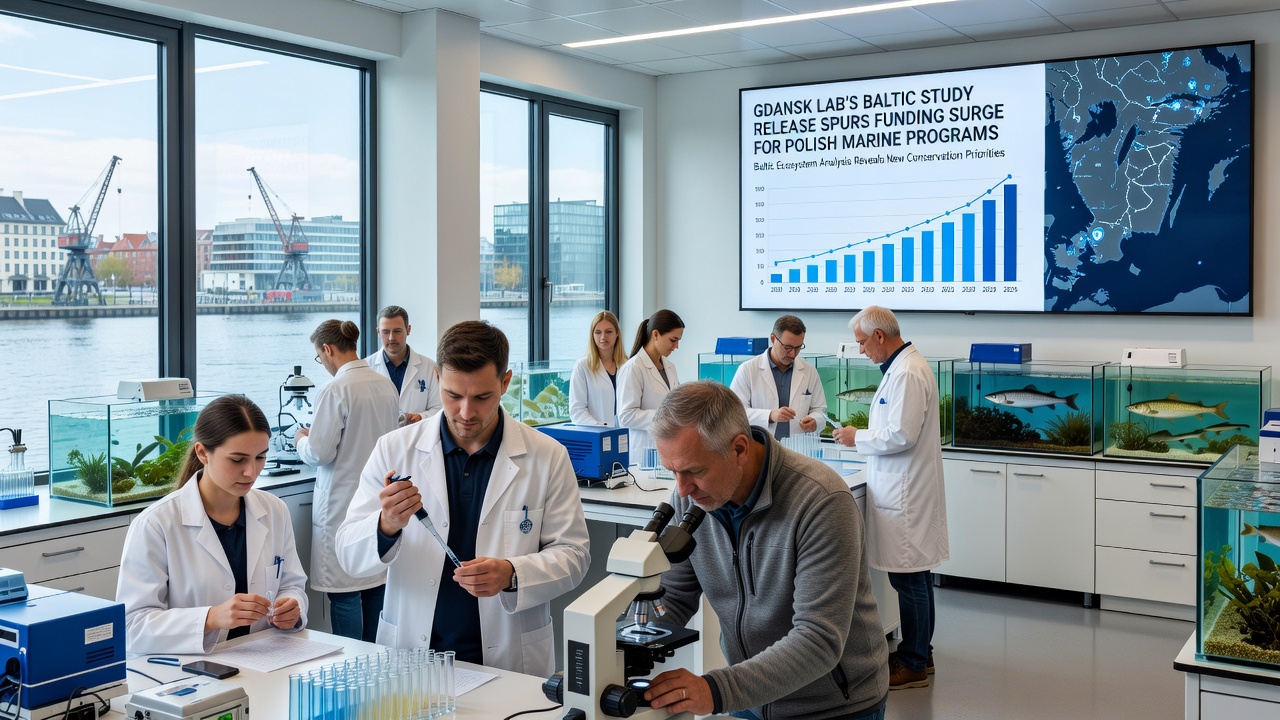
By October 2026 government ministries and regional education boards had announced additional grants directed toward university laboratories, field stations, and student support in coastal provinces. Figures released by the Polish Ministry of Science show a 28 percent rise in dedicated marine science budgets compared with the previous academic year, while the European Commission marine environment unit reported parallel increases in co-financed projects involving Polish partners.
Study Details and Regional Context
The Gdansk team documented declines in certain plankton communities alongside expansions in invasive species ranges, and those observations prompted calls for more trained specialists capable of long-term monitoring. Data from the report also highlighted temperature anomalies and oxygen depletion zones that have grown more frequent since 2015, leading university departments in Gdynia, Szczecin, and Olsztyn to request equipment upgrades and additional fieldwork capacity.
One project that received renewed support involves continuous sensor arrays deployed from research vessels operating out of the Port of Gdansk, while another focuses on genetic analysis of commercially important fish stocks. Both initiatives now operate with extended timelines and larger teams because of the new funding streams.
Program Growth at Universities
Enrollment in undergraduate and graduate marine biology tracks rose by roughly 15 percent between 2025 and 2026 according to admissions statistics compiled by the Conference of Rectors of Academic Schools in Poland. Courses added this autumn include advanced modules on Baltic-specific modeling techniques and laboratory methods for microplastic detection. Several departments have hired additional research assistants and secured new microscope systems plus autonomous underwater vehicles.
Students at the University of Gdansk now participate in quarterly sampling cruises that feed directly into national environmental databases, and similar arrangements have been expanded at the Maritime University of Szczecin. Partnerships with fisheries cooperatives supply real-time catch data that researchers integrate into population models used for management recommendations.
Funding Sources and Allocation Patterns
National research council records indicate that marine biology grants now constitute a larger share of the environmental sciences envelope, while regional development funds from the Pomeranian and West Pomeranian voivodeships have contributed matching resources for infrastructure. International collaboration agreements signed in mid-2026 with institutions in Sweden and Germany provide additional pathways for joint expeditions and data sharing.
Observers note that the surge aligns with broader European Union efforts to meet marine strategy framework targets, and project proposals submitted after the Gdansk release have shown higher success rates in competitive calls administered through Horizon Europe programs. Equipment purchases tracked by the Polish Academy of Sciences include new spectrophotometers, sediment corers, and DNA sequencing platforms installed at three coastal campuses.
Employment and Research Output Trends
Placement data collected by career offices at participating universities show that graduates from marine biology programs have moved into roles at national park authorities, environmental consultancies, and offshore energy operators. A 2026 survey conducted by the Polish Marine Research Consortium found that 62 percent of recent master's recipients secured positions within six months, many tied to ongoing Baltic monitoring contracts.
Publication counts in peer-reviewed journals covering the Baltic region increased during the same period, with several papers citing the original Gdansk dataset as a baseline for trend analysis. Workshops held in September 2026 brought together scientists from multiple Polish centers to standardize sampling protocols and share analytical tools developed in response to the new funding availability.
Conclusion
The sequence of events beginning with the Gdansk laboratory release and extending through October 2026 has produced measurable growth in marine biology program capacity, staffing, and student participation across Poland. Continued tracking by ministry statistical units and international partners will determine how these resources translate into sustained research output and environmental management outcomes in the Baltic region.